
A quiet walk through Cebu’s oldest fort reveals the many lives it has witnessed over the centuries.
by Grace M. Avanzado photos by Kirby Yu Bun-an
Imagine standing inside a place where some of the earliest chapters of Philippine history unfolded-forty- four years after Ferdinand Magellan fell to Lapu-Lapu on the shores of Mactan. Miguel López de Legazpi returned to Cebu aboard his flagship, nagship the San Pedro. On May 8, 1565-just eleven days after his arrival- construction began on the original wooden fort that would eventually become Fort San Pedro
I thought about this as I stood within its coral-stone walls during a mass commemorating the fort’s 461st anniversary. The space is modest, but its history is layered, shaped by centuries of shifting roles and changing hands.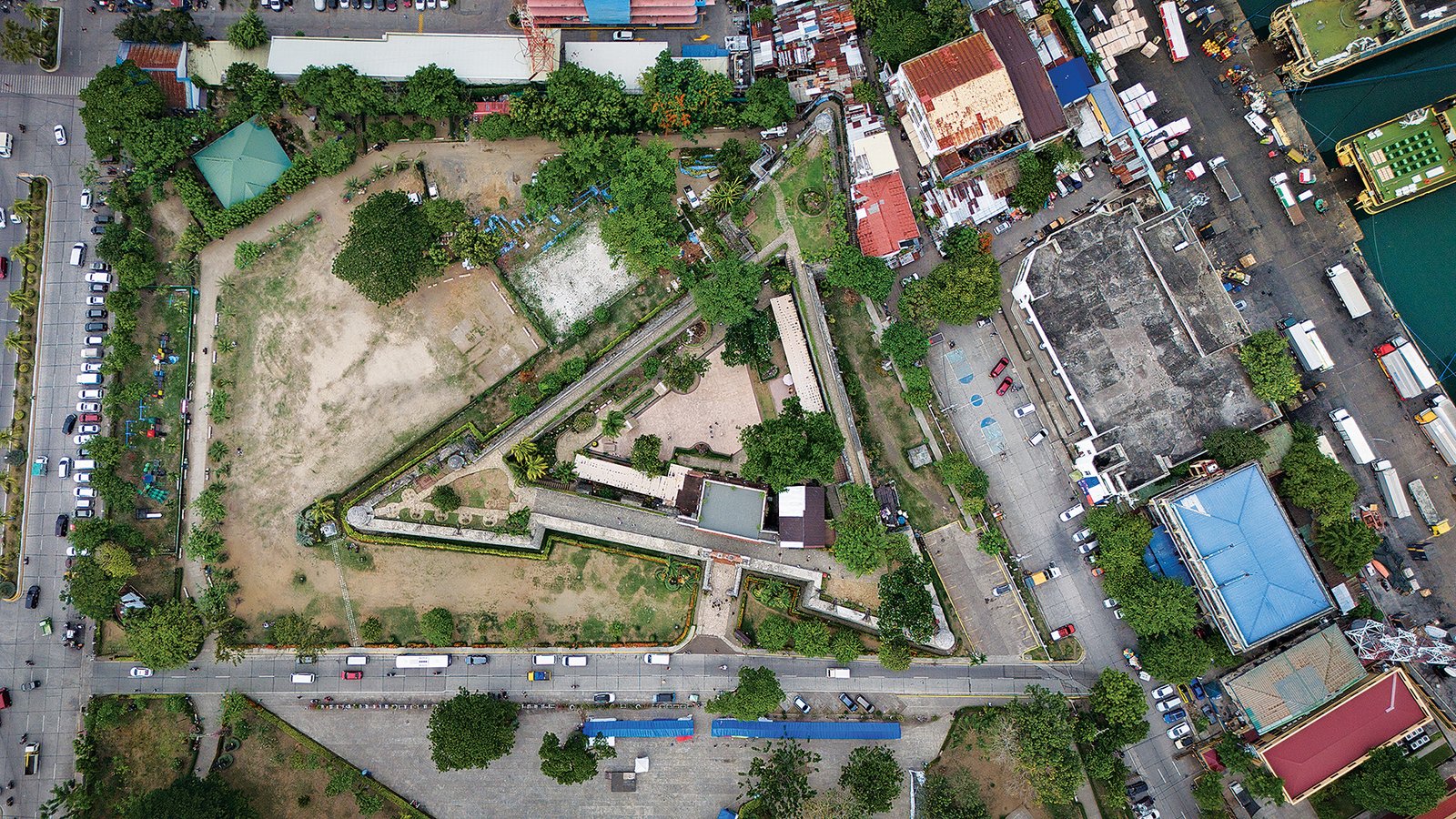
A FORT WITH MANY LIVES
Fort San Pedro is often described as the smallest triangular bastion fort in the Philippines, but its scale has never limited its purpose. Over the years, it has adapted to the needs of the moment. In the 1890s, it served as a prison for Cebuano rebels. During World War II, it became an emergency hospital. Under American rule, it functioned as an army barracks and later a school. It has been a garden, and for a time, even a public zoo managed by a group called the Lamplighters.
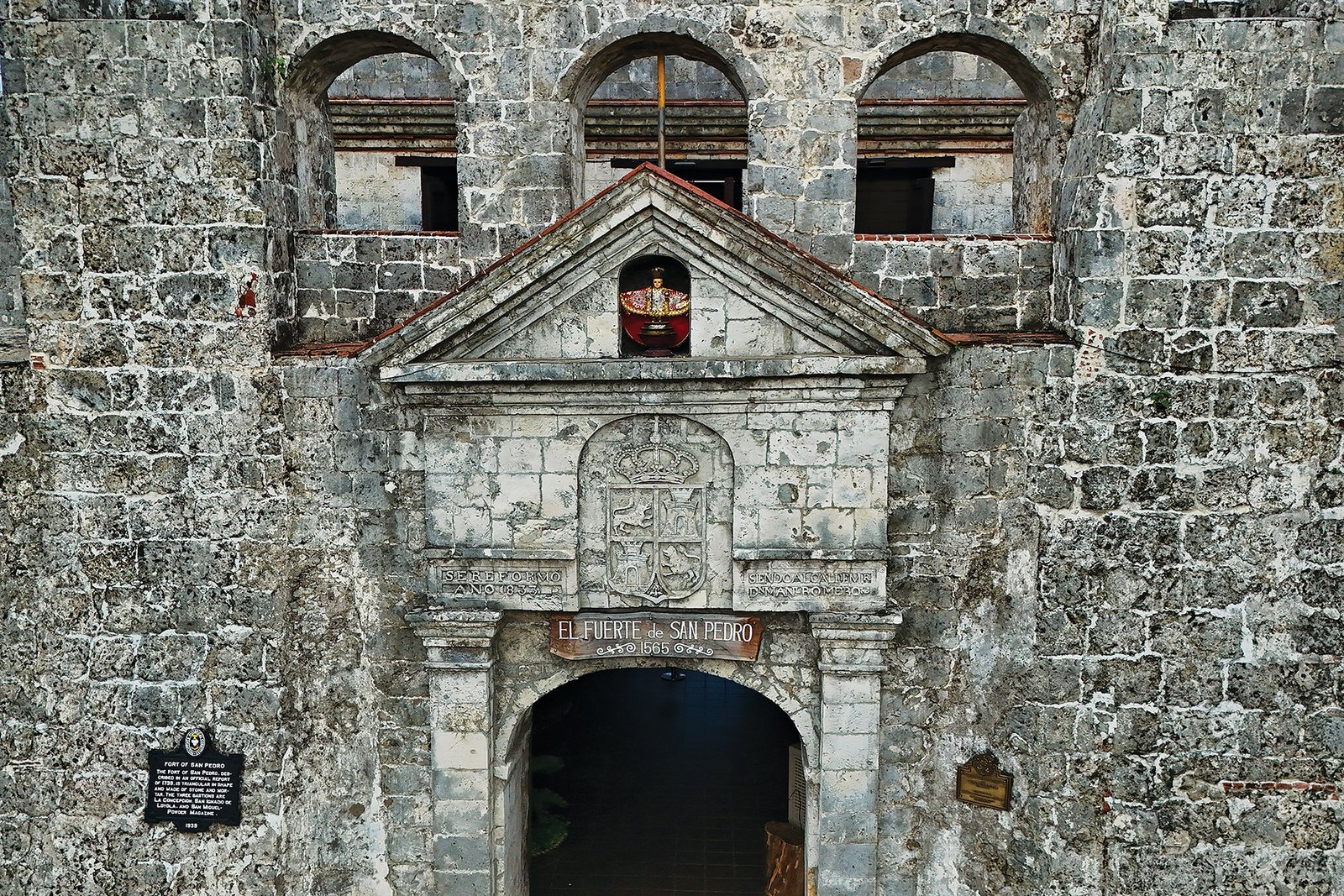
The wooden fort Legazpi built was replaced in the 17th century with coral stone walls twenty feet high and eight feet thick, constructed to defend against raiders. Above the entrance archway, the carved coat of arms of Castile and León bears the year 1738, marking a period of reinforcement. Several of the original fourteen cannons remain onsite, quiet reminders of fort’s defensive past.
Its triangular layout is anchored by three bastions named after Catholic figures: La Concepcion to the southwest, Ignacio de Loyola to the southeast, and San Miguel to the northeast. Two sides face the sea, while one faces inland-a practical design shaped by the threats of the time.
A TURNING POINT IN CEBU’S STORY
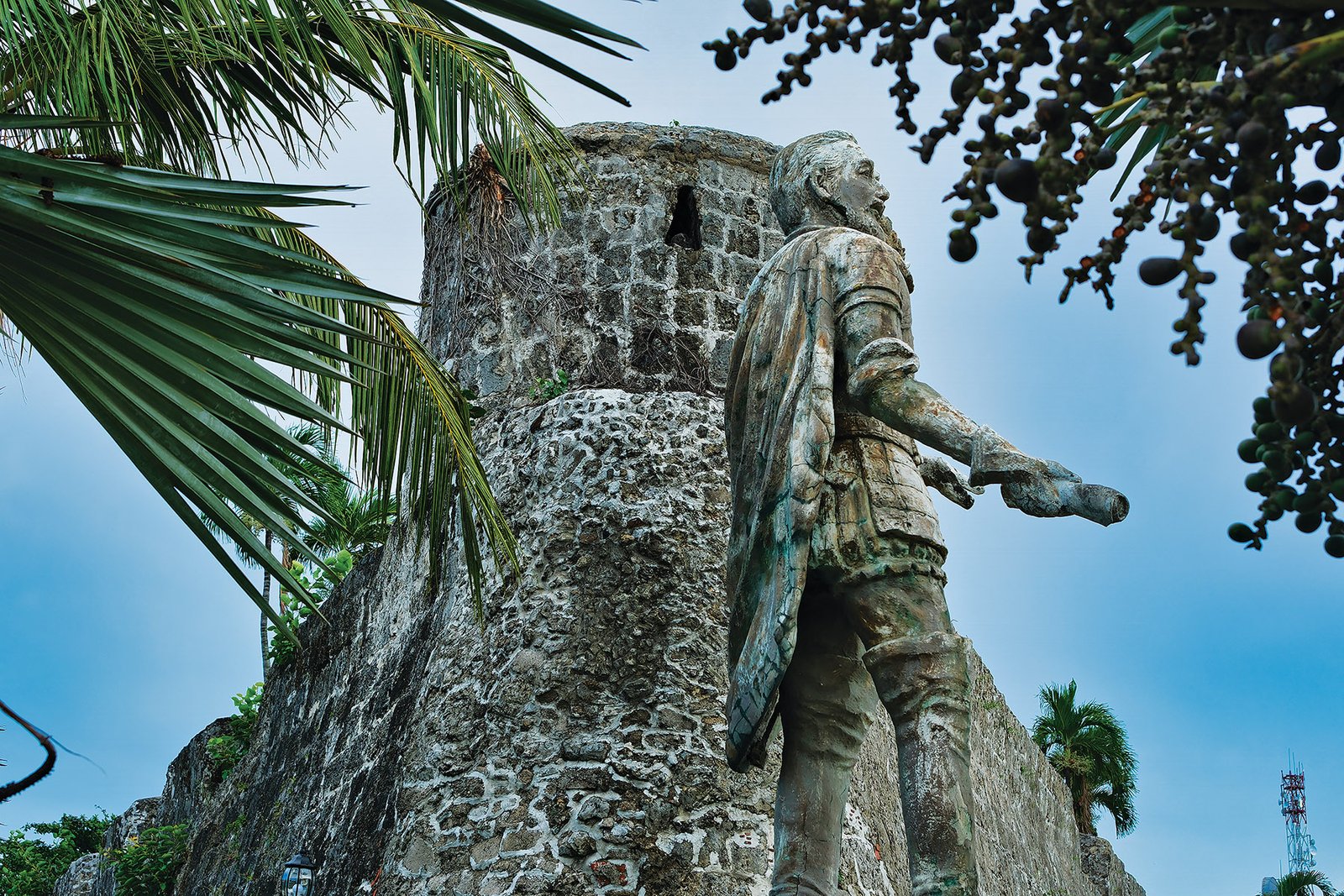
In 1898, after Spain’s defeat by the United States, the Spaniards surrendered the fort. Cebuano Katipuneros finally entered and raised the Philippine flag, marking the end of more than three centuries of Spanish rule in Cebu. It was a symbolic moment, one that shifted the fort’s identity from a colonial stronghold to one of local resilience.
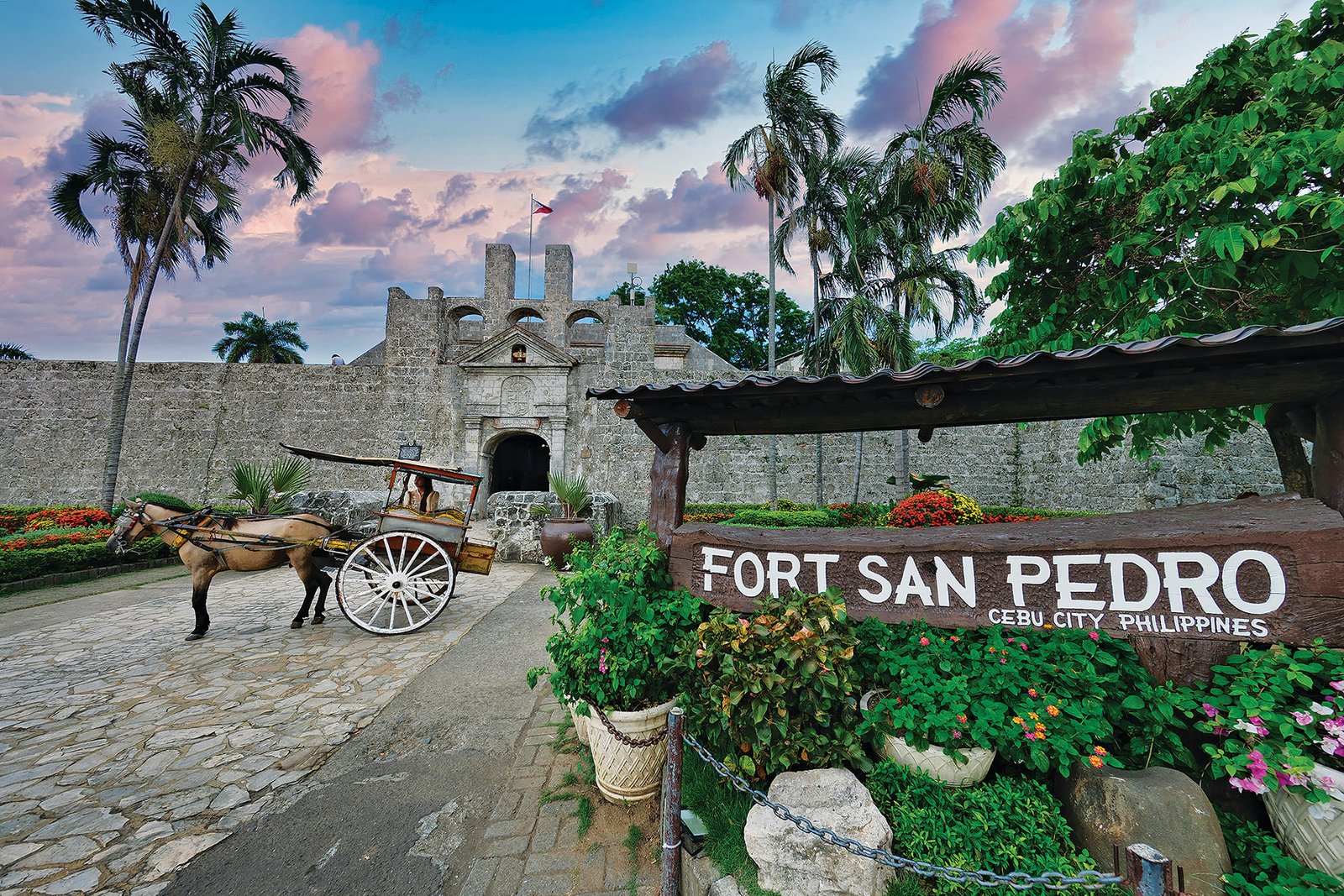
Fort San Pedro is often described as the smallest triangular bastion fort in the Philippines, but its scale has never limited its purpose.
By 1968, however, the fort had fallen into disrepair. Architect Leonardo Concepcion, trained in restoration in Madrid, was tasked with leading a major rehabilitation funded by both government and private partners. The work was painstaking: coral stones were hauled from coastal towns, then manually cut and polished to rebuild walls and structures. The restoration took eighteen months, a careful effort to preserve the fort’s original character.
A LIVING HERITAGE SPACE
Today, the 2,025-square-meter site is managed by the local government with guidance from heritage agencies.Storms and earthquakes have left their marks over the years, but the fort continues to be maintained as both a historical park and a community space. Its galleries above and below-host exhibits tied to culture, art, and local history. The grounds are also used for events, making the fort a place where the past and present meet naturally.
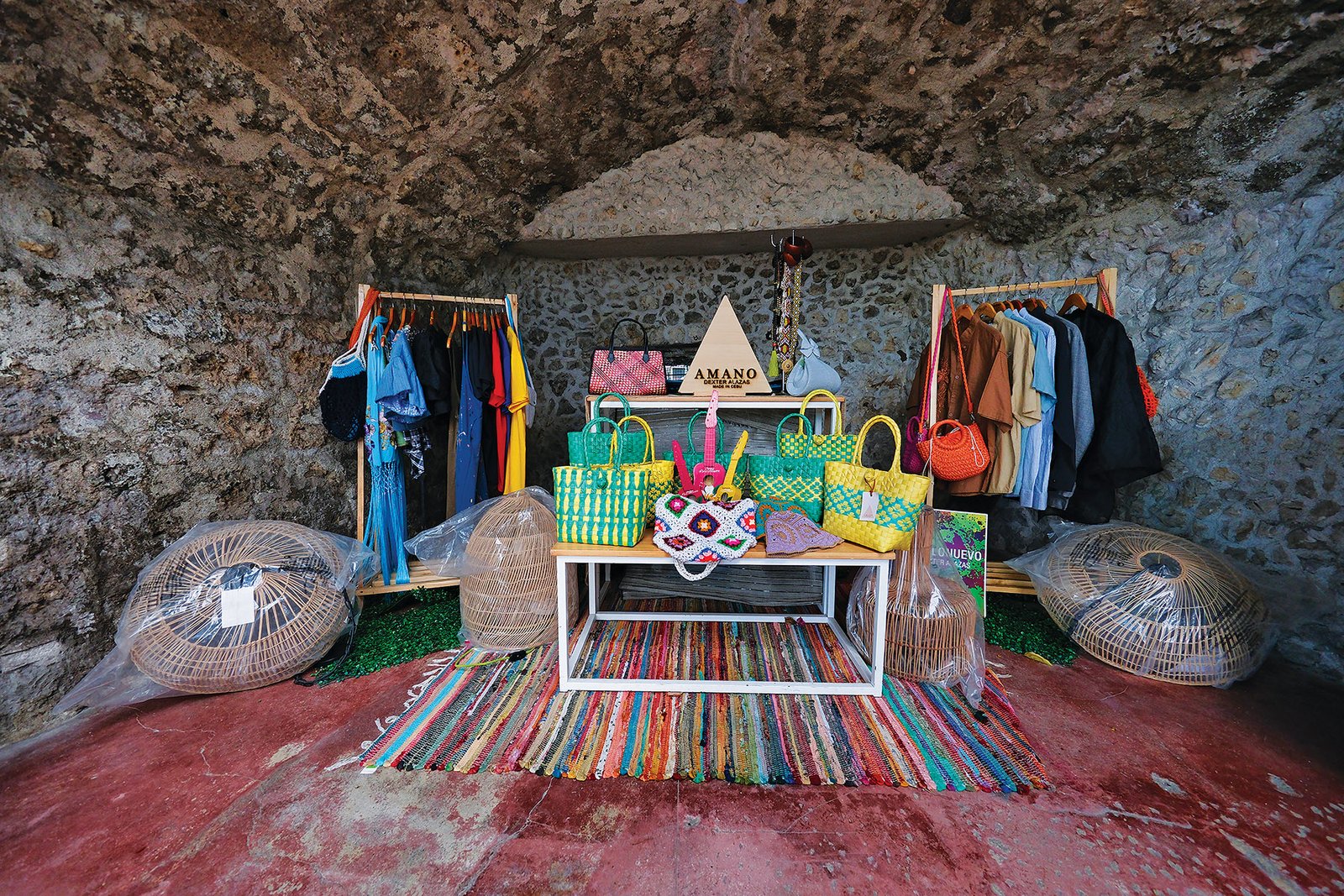
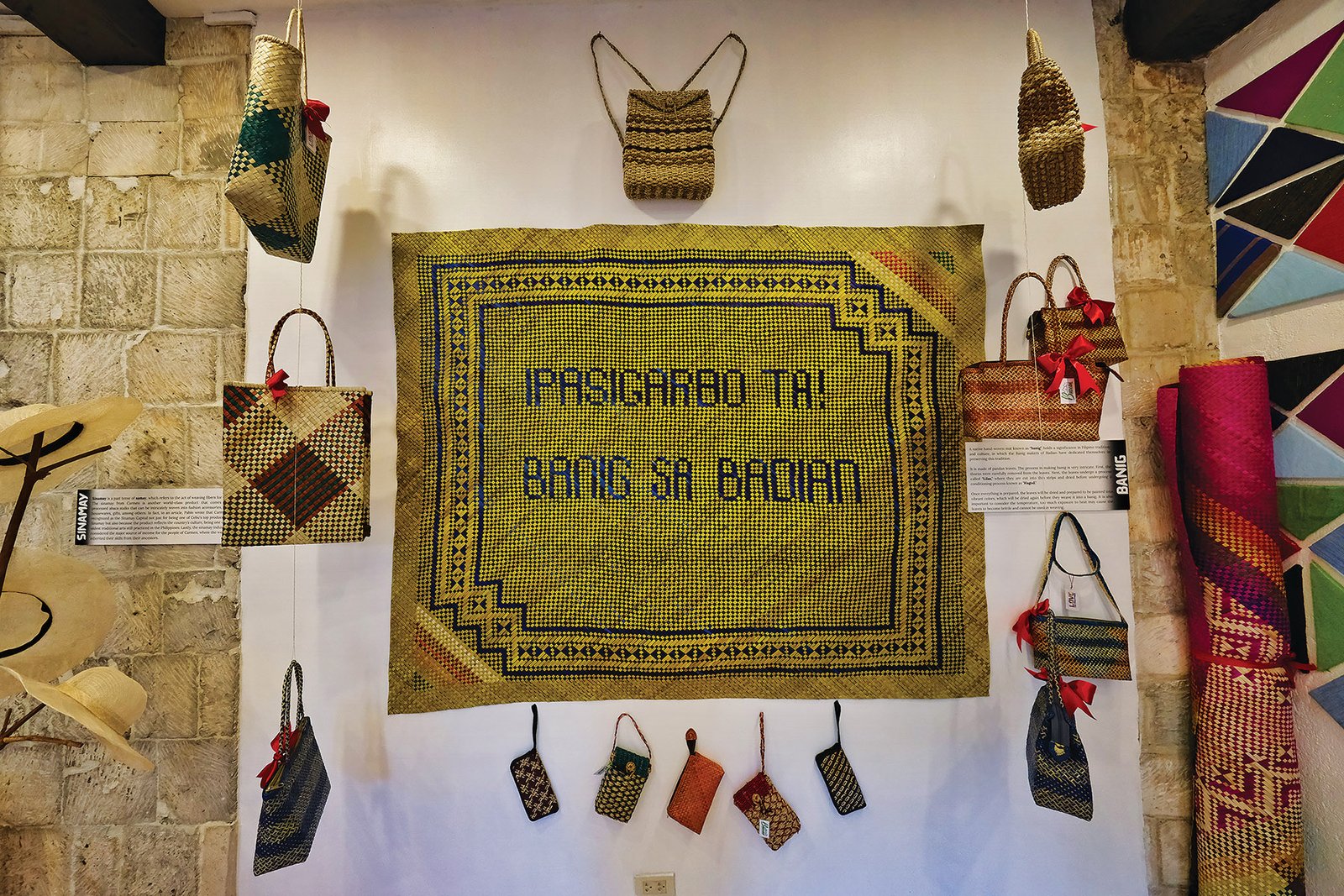
Currently on view is Mugna sa Kamot (Made by Hand), curated by the Cebu City Cultural and Heritage Affairs Office for National Heritage Month. The exhibit highlights the work of designer Dexter Alazas of Hablonuevo, featuring indigenous weaving and heritage-inspired pieces created with weaving communities from Badian and Carmen. It’s a fitting addition to a space shaped by craftsmanship-stonecutters of the past, weavers of the present.