
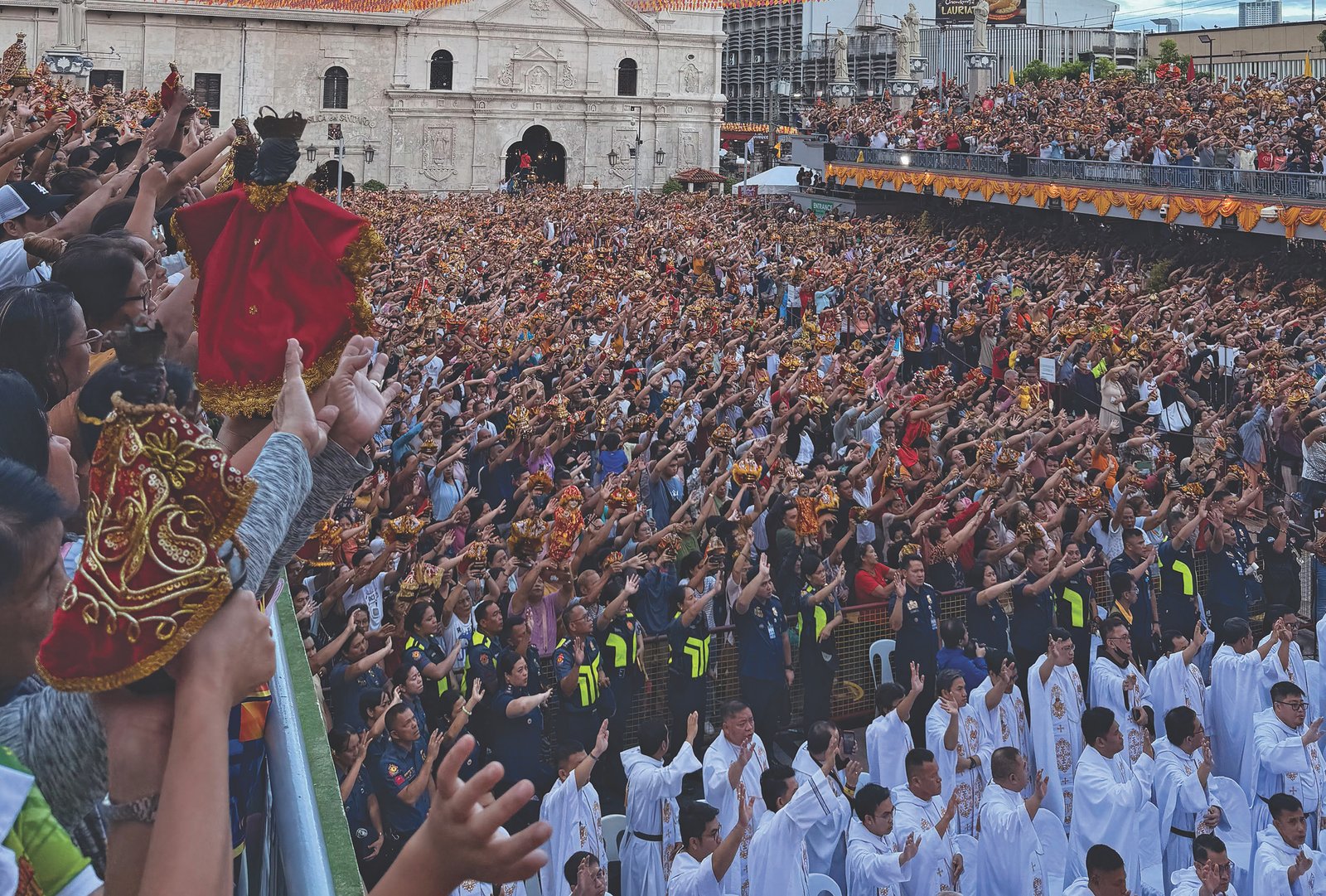
written and photo by Drew Sarmiento
A sacred cornerstone of Cebuano faith and culture, the Basilica del Santo Niño comes alive every third Sunday of January during the Fiesta Señor, honoring the Santo Niño statue and drawing millions in joyful devotion.
This year, my family will receive a blessing that feels both humbling and deeply personal. My parents, Edgar and Penny, have been chosen as the 461st Hermano and Hermana Mayores of the Fiesta Señor. To be entrusted with this sacred role in Cebu’s most beloved celebration is a grace we carry with quiet pride and immense gratitude.
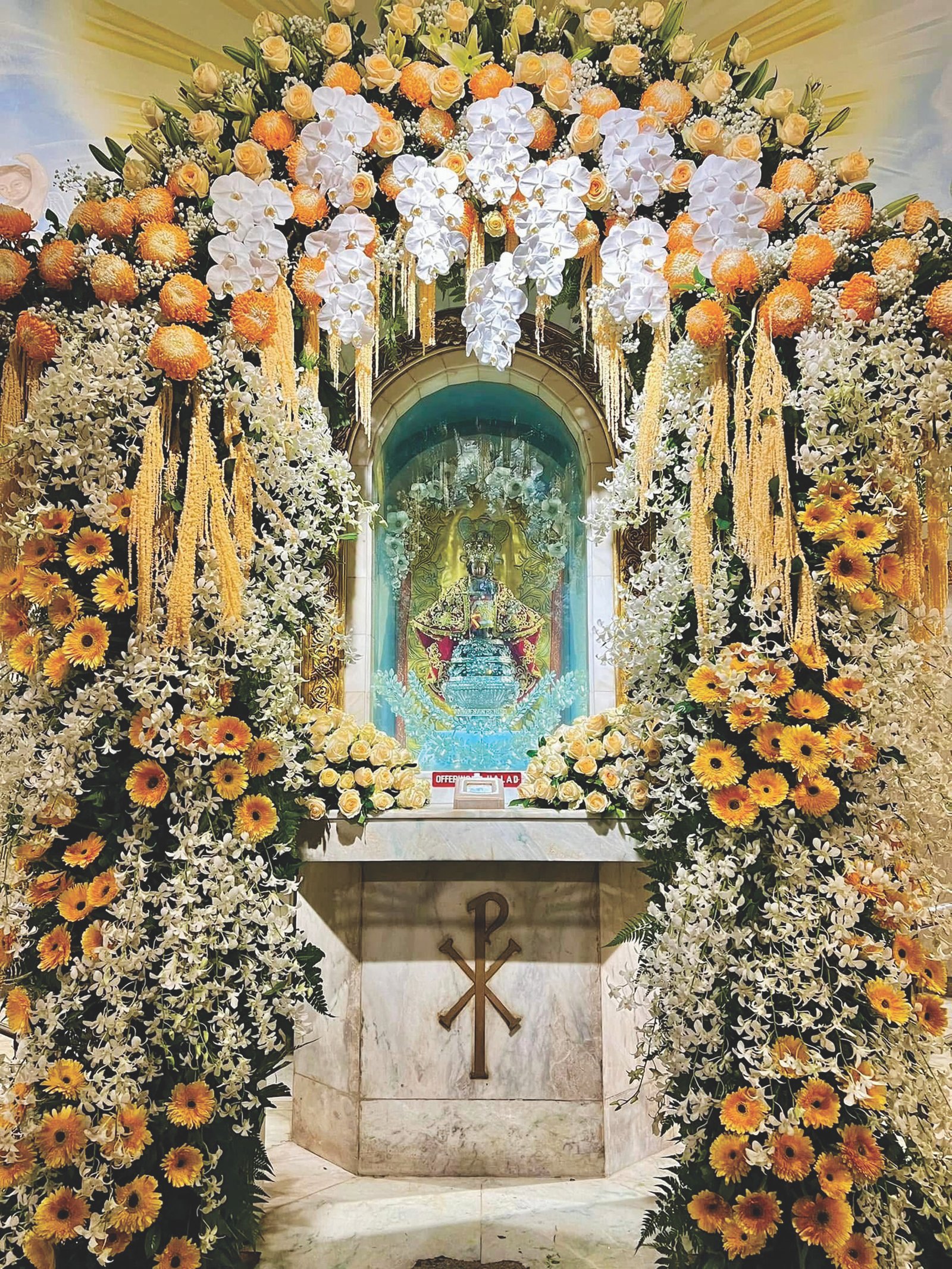
For as long as I can remember, I’ve been drawn to the Santo Niño de Cebu. As a child, I couldn’t explain why, only that each visit to His “home” at the Basilica brought a sense of peace and certainty that felt larger than words could express. For centuries, the Santo Niño has anchored the faithful, reminding us that devotion can be both solemn and joyful through life’s many tests— typhoons, earthquakes, and political upheavals — Cebuanos and devotees around the world hold fast to the belief that the Santo Niño will guide us back to calmer waters.
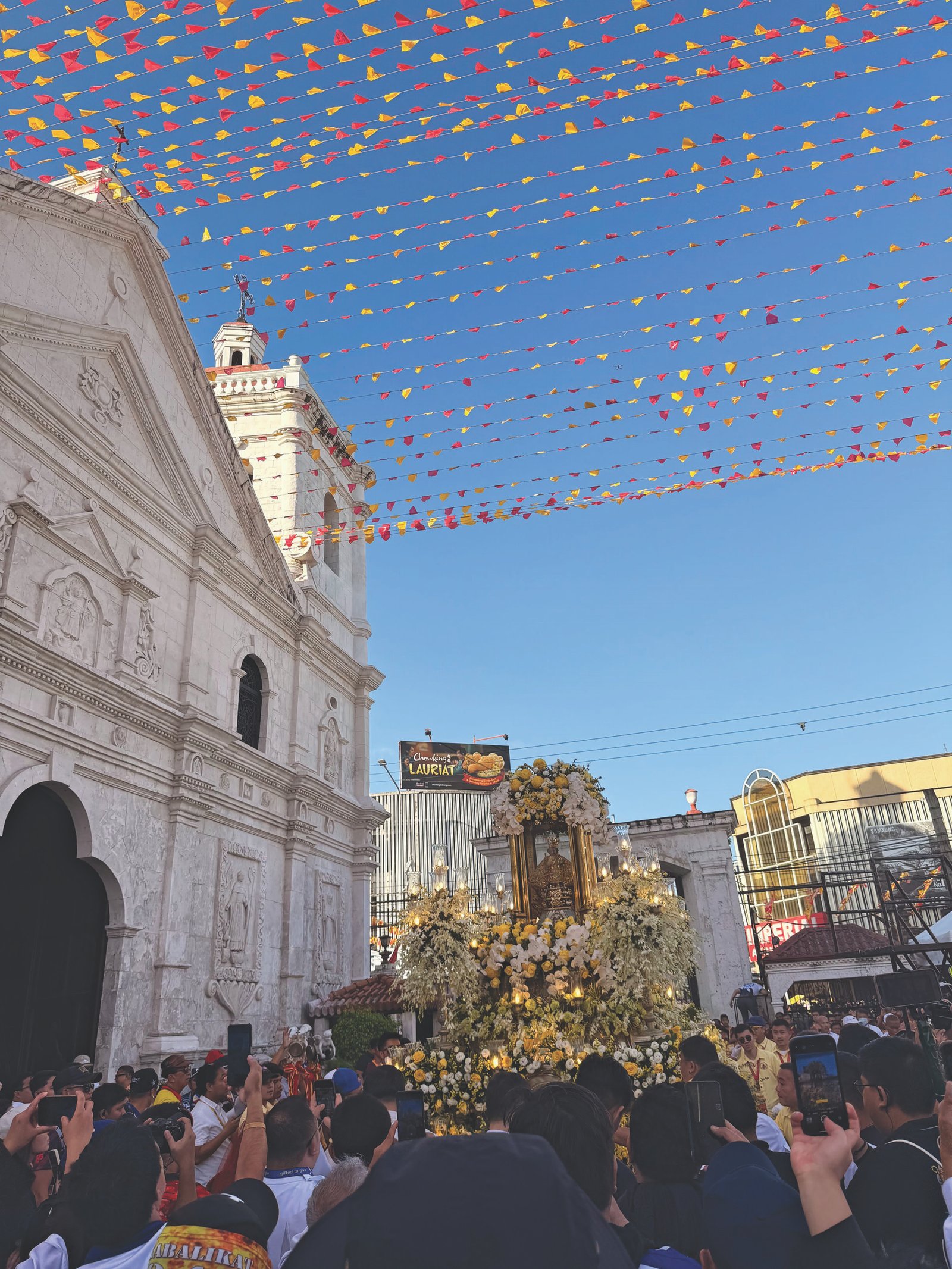
If you’re planning a visit to the Basilica Minore del Santo Niño de Cebu, allow me to be your guide—not just through the church, but through the experience. Because here, every “Viva Señor Santo Niño! Viva Pit Señor!” is more than a greeting. It’s the heartbeat of Cebu.
Arrive with Reverence
Whether you’re a pilgrim or a curious traveler, step into the Basilica with openness and respect. This is the cradle of Christianity in the Philippines and the Far East, officially recognized by the Vatican as the “Mother and Head of All Churches in the Philippines” (Mater et Caput Omnium Ecclesiarum Insularum Philippinarum). It houses the country’s oldest and most venerated religious image: the Santo Niño de Cebu, a statue of the Child Jesus gifted by Portuguese explorer Ferdinand Magellan to Rajah Humabon and Queen Juana in 1521— marking the beginning of Christianity in the islands. Every year, the faithful gather for the Fiesta Señor, held on the third Sunday of January, to honor the Santo Niño with prayer, procession, and celebration.
Tips for First-Time Visitors
- Dress Modestly: Think pilgrimage chic: stylish, but respectful. Sleeveless tops, short shorts, and sheer clothing aren’t permitted. As with temples in Thailand or shrines in Japan, reverence transcends religion.
- No Photos During Mass: Some moments are meant to be remembered in your heart, not your camera roll. Snap away before or after Mass, and maybe during the singing of “Bato Balani sa Gugma.” Better yet, join in—arms swaying, heart open.
- Mind Your Belongings: Fiesta Señor crowds are warm and respectful, but the sheer volume of people can be overwhelming. Stay aware.
- Stay Comfortable but Alert: Breathable clothing and comfy shoes are a must. Bring a fan—or my personal favorite, a Jisulife hands- free neck fan—to beat Cebu’s heat. Volunteers and police are always nearby if you need help.
- Check the Mass Schedule: Masses run every 1.5 hours from 4 a.m. to 7 p.m. daily. I love the 4 a.m. Mass: it’s cooler, quieter, and you’ll be home before traffic wakes up.
Pro Tip: The 7 p.m. Mass features a Sinulog dance. Get ready to shout “Pit Señor!” with hundreds of fellow devotees.
The Three Great Processions
To truly feel the rhythm of the Fiesta Señor, join one—or all—of these moving traditions:
1. Walk with Jesus: The Novena begins before dawn, marking nine days of prayer and reflection.
2. Walk with Mary: On the final day of the Novena, we honor the Blessed Mother at sunrise, ushering in the fiesta weekend.
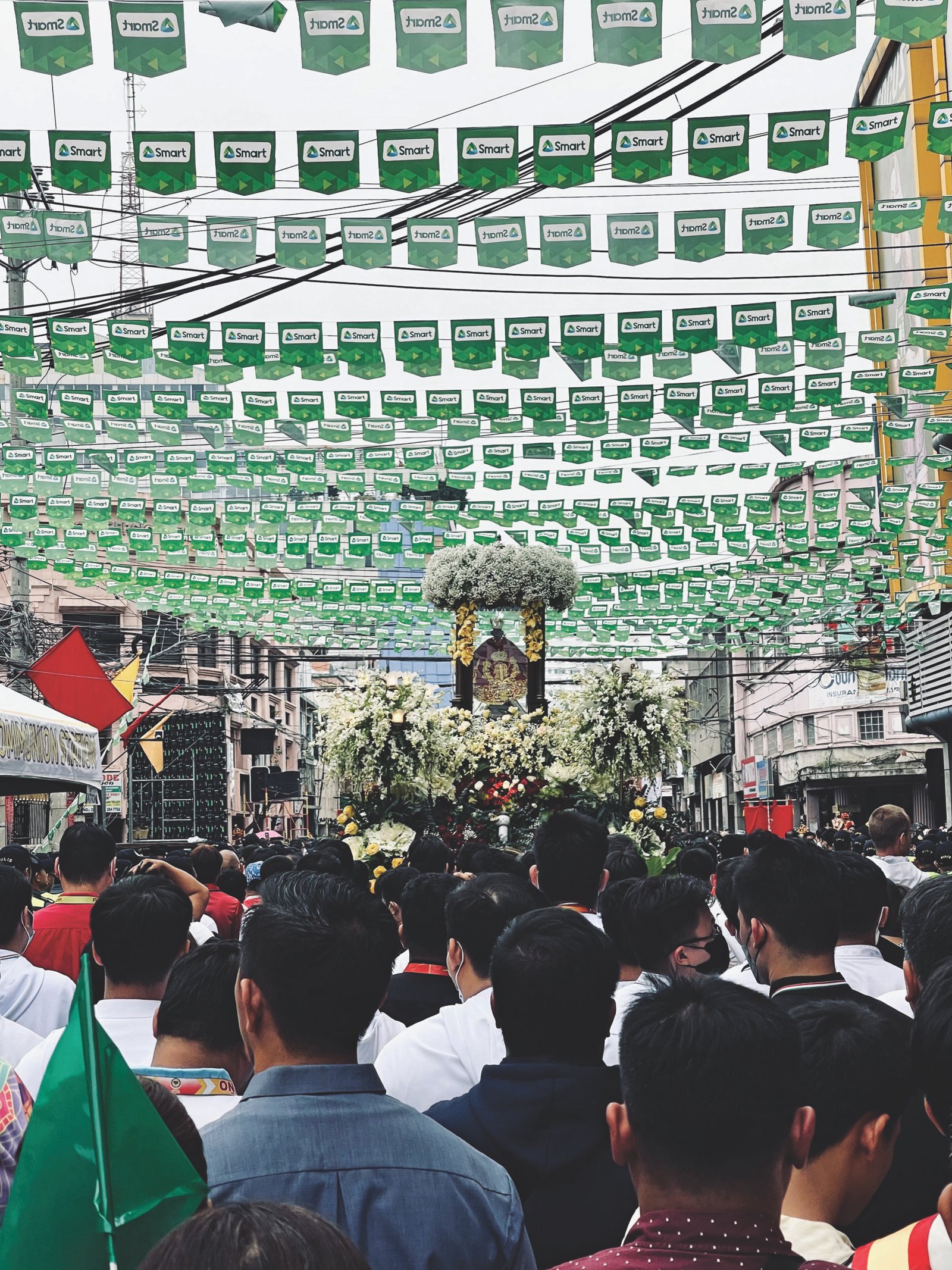
3. The Solemn Foot Procession: Held on the eve of the Fiesta (Visperas), millions walk peacefully through Cebu’s streets, candles and rosaries in hand, as the image of the Santo Niño passes through the crowd. When “Bato Balani sa Gugma” begins, don’t just listen—join in. Raise your arms, sway with the crowd, and let the Magnet of Love pull you home.
When Faith Becomes Fiesta
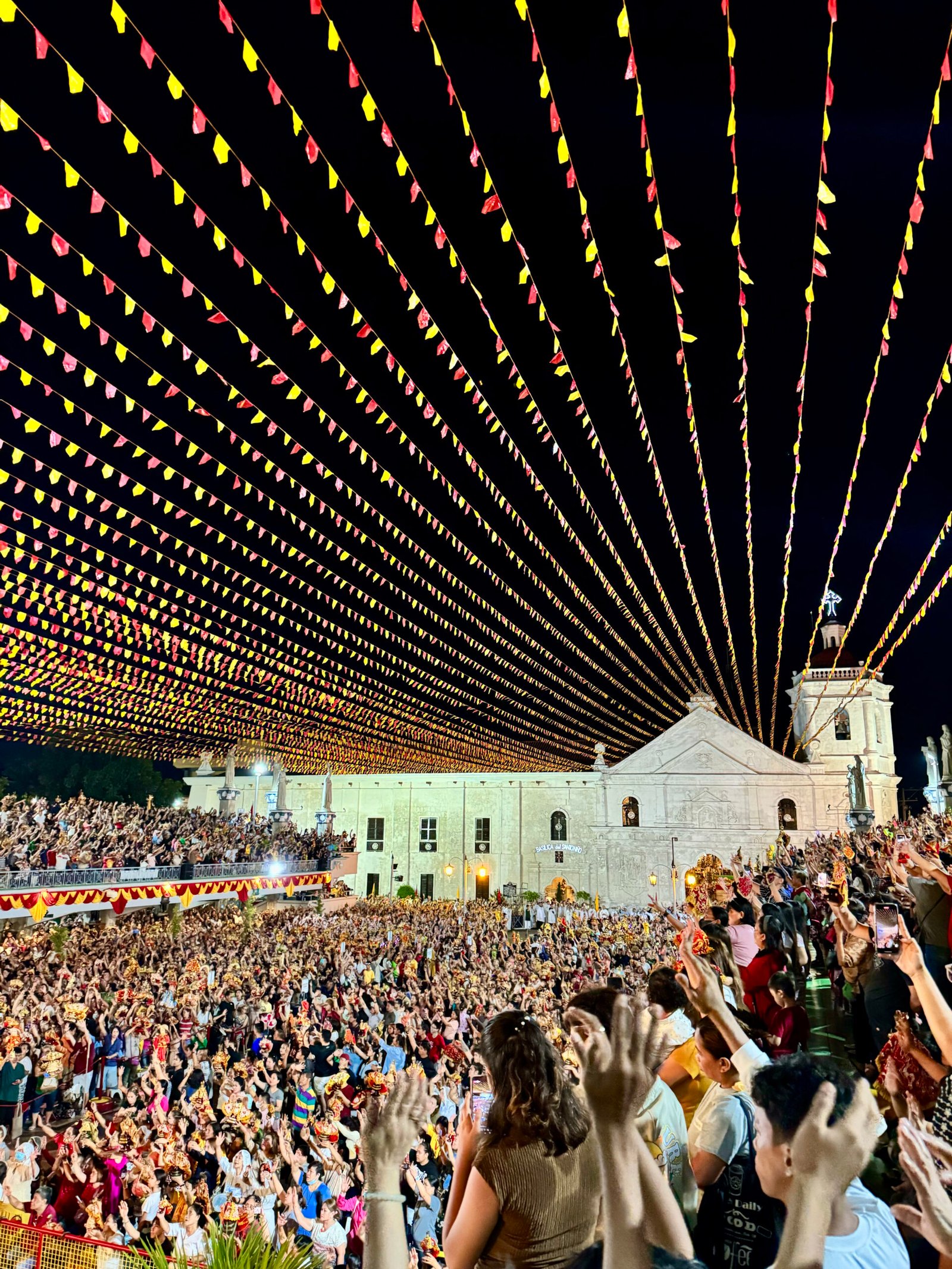
Sinulog Sunday—every third Sunday of January—is the crescendo of the Fiesta Señor. Each Mass at the Basilica ends with a joyful Sinulog dance, where faith sways in rhythm with color and celebration. If you want to experience Sinulog the Cebuano way, start at the Basilica. Light a candle. Say a prayer. Feel the devotion. Then carry that joy with you into the city’s grand street celebration.
A Prayer for Every Pilgrim
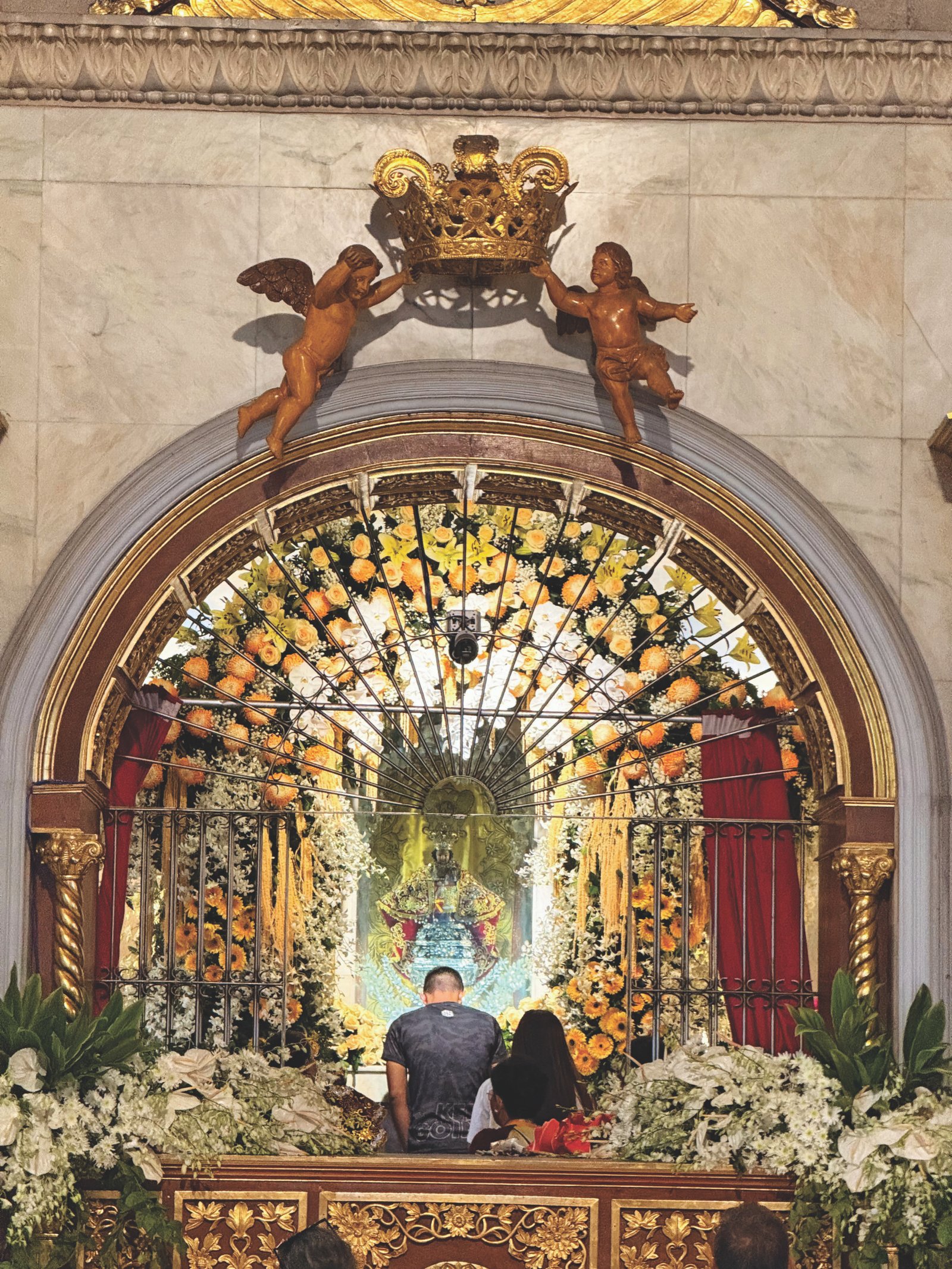
When you finally stand before the Santo Niño, surrounded by flickering candles and the hum of whispered prayers, take a deep breath. Lay your burdens down. Lift your hopes. Trust me—you’ll leave better than when you arrived.
May you receive what you ask for, find what you seek, and may the door be opened now that you have knocked. Welcome the Señor into your life, and may His love—that gentle Magnet of Love—draw you ever closer to peace, joy, and home.
Pit Señor! Viva Señor Santo Niño! Viva Pit Señor!