
by Michell L. Oroc
Discover Cebu’s vibrant markets and modern malls as the city comes alive with festival energy. From keepsakes and fashion finds to handcrafted treasures, each stop lets you carry home a piece of Sinulog.
Step into the rhythm of Sinulog by snagging a classic black shirt adorned with bold, festive graphics that capture the spirit of the celebration. Shopping in Cebu during the fiesta is more than retail therapy—it’s part of the cultural experience. From bustling local markets to modern malls, each stop offers a distinctive mix of fashion, handcrafted treasures, and flavorful treats. The city’s vibrant shopping scene mirrors the festival’s energy, making every browse feel like a discovery. Whether you’re hunting for clothing, home accents, or keepsakes to take home, Cebu’s shops and stalls invite you to celebrate, explore, and carry a piece of Sinulog with you.
Colon Street
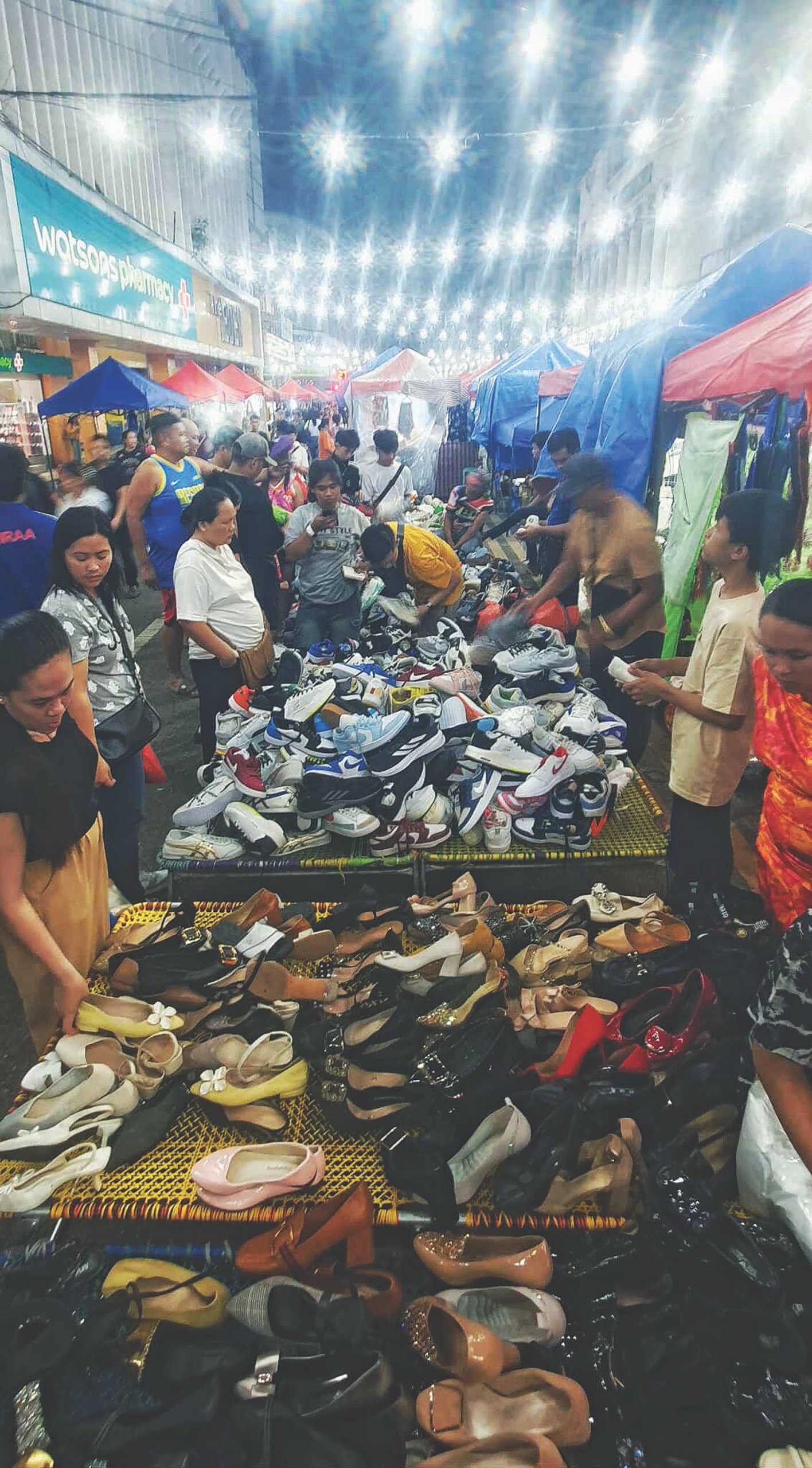
Start at Colon Street, the country’s oldest. This stretch of avenue is never quiet, but during Sinulog, it feels like the city’s heartbeat. The narrow stretch comes alive with parades, drumbeats, and vendors hawking festival gear: beaded bracelets, feathered headdresses, and those iconic black Sinulog shirts splashed with bold graphics. Every corner hums with energy, and even the simplest stalls selling textiles, trinkets, or everyday goods seem to join the celebration. Fruit vendors line the sidewalks, their baskets overflowing with mangoes and bananas, perfect for a quick bite as you weave through the crowd. Bargain hunters duck into the 138 Building, where racks of affordable clothes and accessories spill out of tiny stalls. Outside, the street itself becomes a stage: dancers in bright costumes perform the signature Sinulog steps, while music and cheers echo toward Plaza Independencia and Fuente Osmeña Circle.
As the sun sets, Colon Street shifts gears into its night market, a lively maze of food stalls and bargain booths. The air fills with the scent of grilled meats, skewered seafood, and sweet local delicacies, drawing festival-goers to linger long after the parades pass. Here, visitors can sample Cebu’s street food favorites, pick up inexpensive keepsakes, or soak in the buzz of the crowd under strings of lights. The night market adds another layer to Colon’s character, part shopping strip, part street party, and all heart of the fiesta.
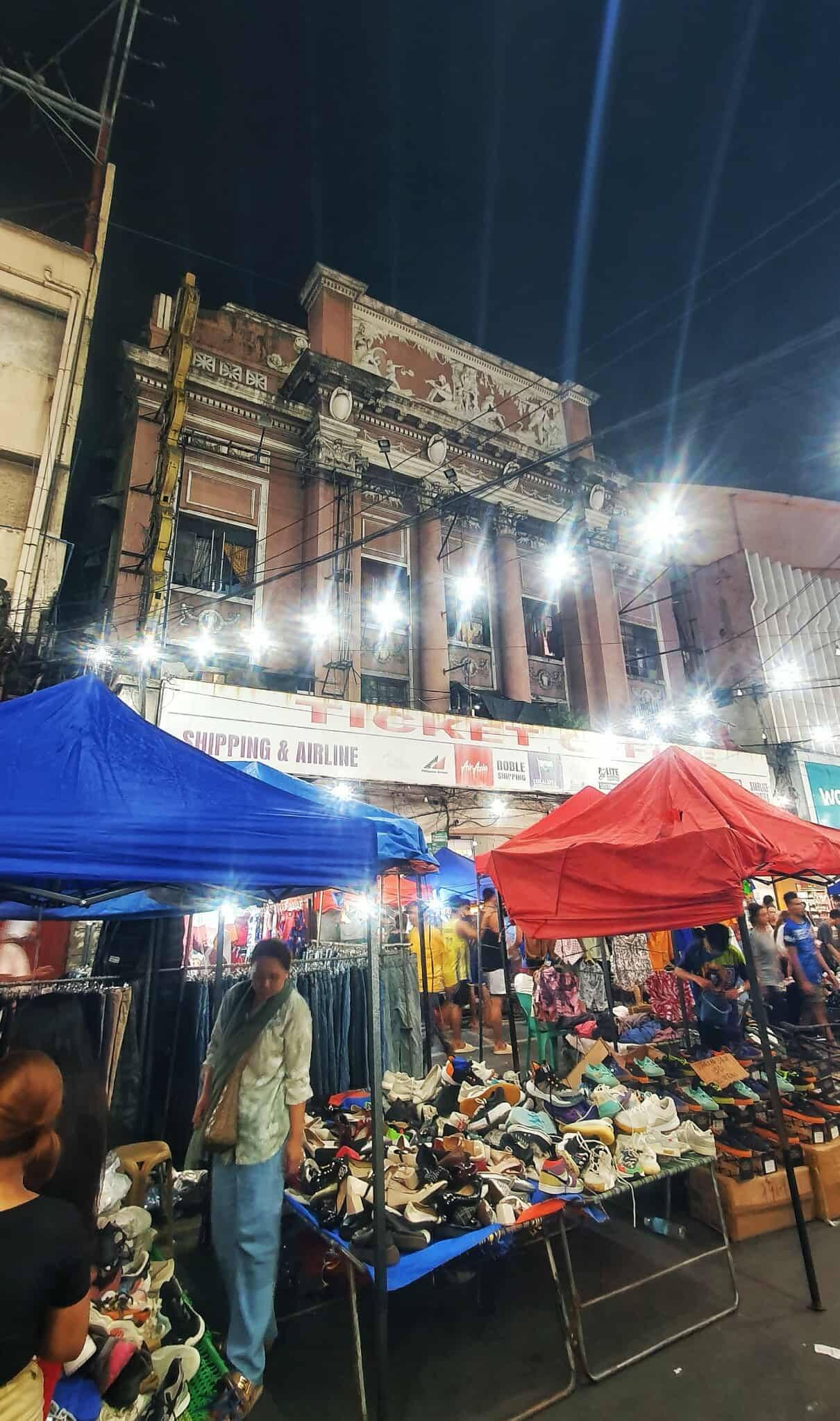
A walk through downtown during Sinulog is more than shopping; it’s immersion. You start at Colon, soaking in its raw, everyday rhythm, then drift toward the Basilica Minore del Santo Niño, where devotion meets festivity. Plaza Independencia hosts cultural shows and the Festival Queen competition, while Fuente Osmeña turns into a carnival of concerts and food fairs. By nightfall, Mango Avenue pulses with street parties and live bands, carrying the fiesta spirit long past midnight.
Colon Street may not have the polish of Cebu’s modern malls, but that’s precisely its charm. Here, heritage storefronts, festive stalls, the night market, and the unfiltered joy of Sinulog converge—giving you a shopping trip that feels less like errands and more like joining the city’s biggest celebration.
Carbon Market
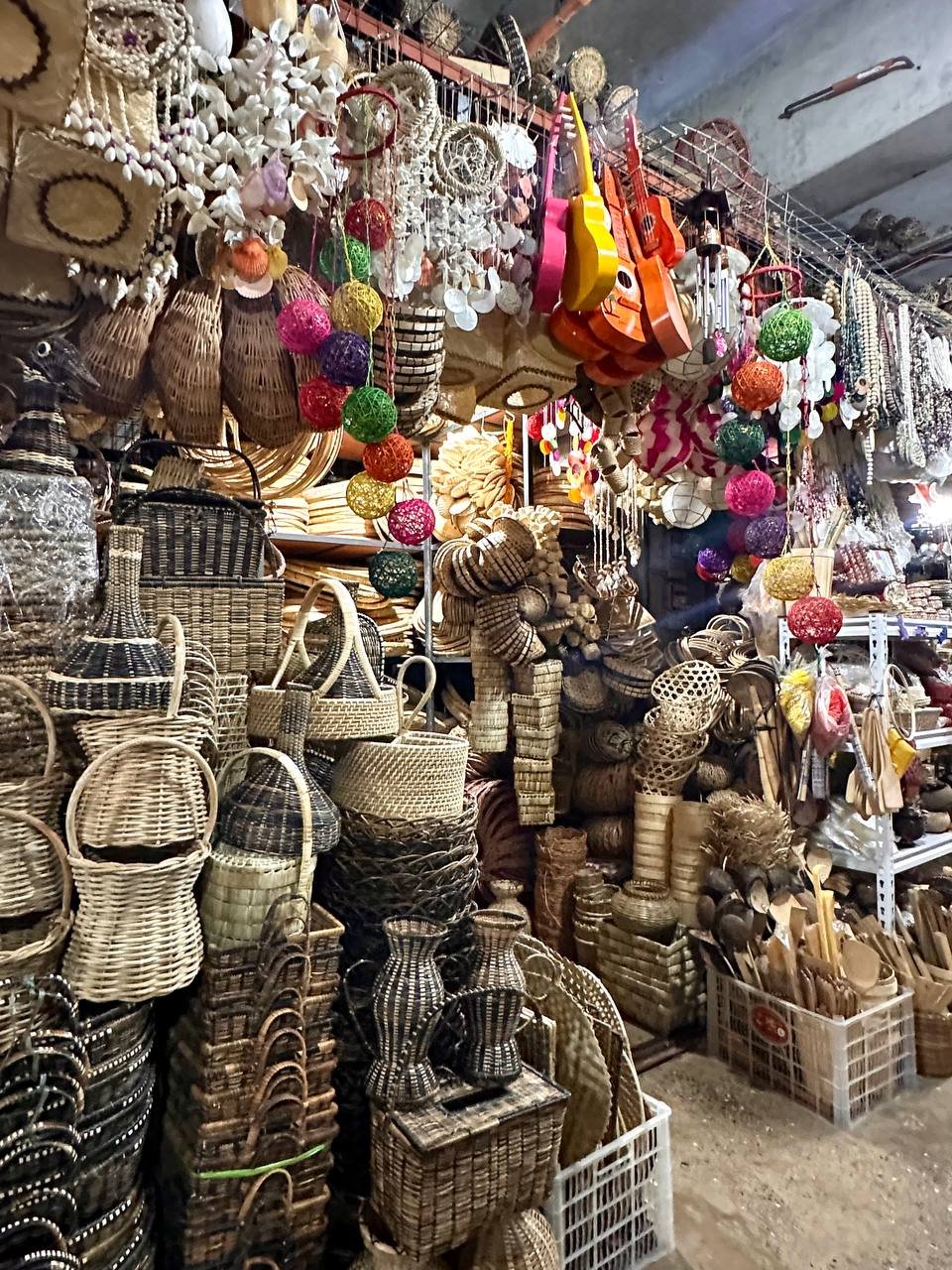
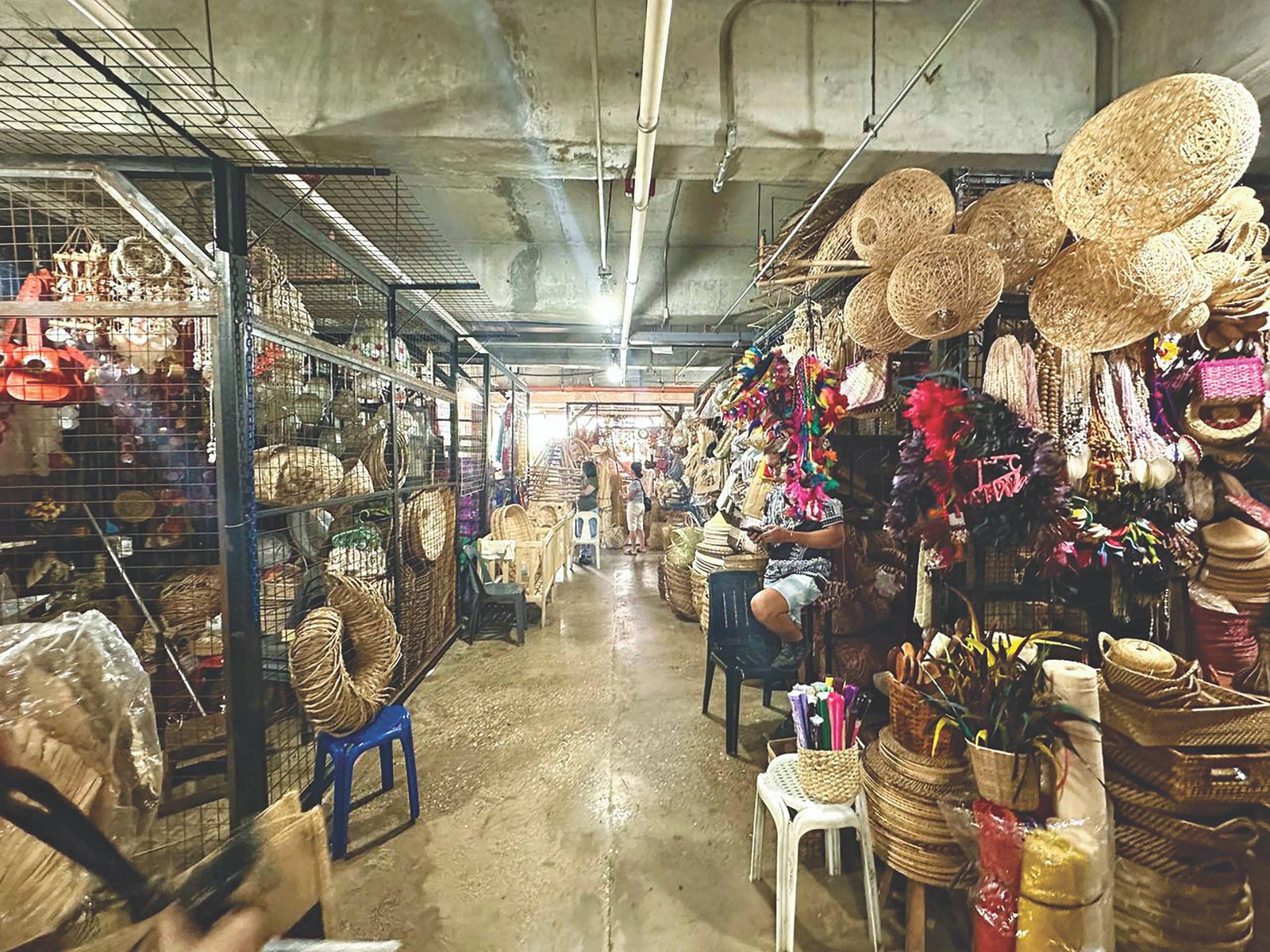
Nearby, the Carbon Market remains a central part of Cebu’s shopping culture. As the city’s oldest and largest farmers’ market, it offers fresh produce, seafood, and meats sourced from nearby towns and islands. Beyond food, stalls carry household items, accessories, and souvenirs that reflect everyday Cebuano life. Walking through Carbon Market is both a shopping trip and a way to experience the city’s rhythm.
Shopping Malls
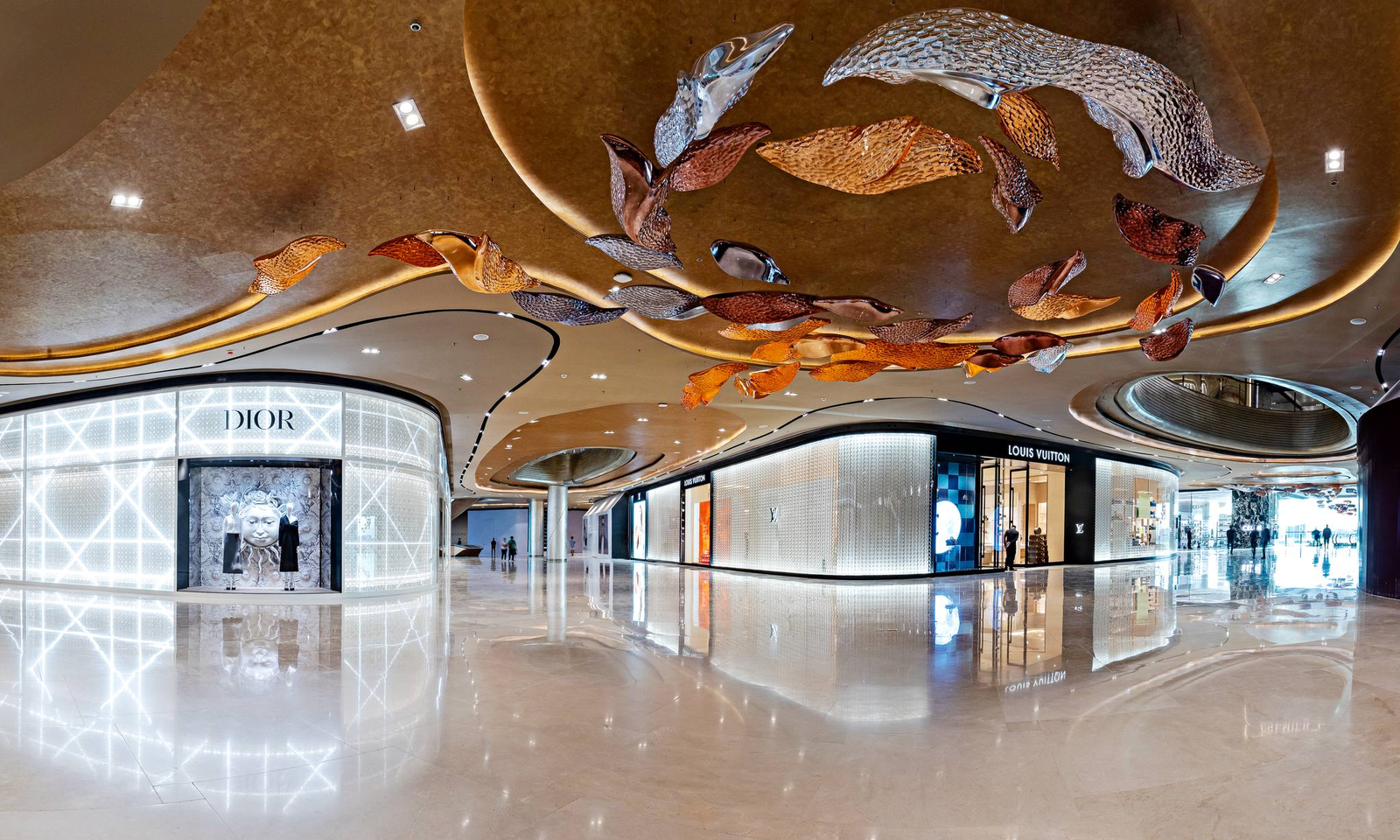
Cebu boasts several modern malls, all packed with modern retail stores and restaurants. Leading the way are the country’s top mall operators: Ayala with two centers, Ayala Center Cebu and Ayala Central Bloc; SM with four giant malls, SM City Cebu, SM Seaside, SM Consolacion, and SM J Mall. They provide a wide range of shops, from international brands to local boutiques. A recent addition is the gleaming NU Star mall, located inside the massive NU Star complex, which boasts international designer brands such as Christian Dior and Louis Vuitton.
Boutique Shopping
Cebu’s boutique scene blends creativity, sustainability, and design. Atua Midtown in Midtown Cebu City has become a cultural incubator, with over 40 tenants and weekend events ranging from pop-ups and art exhibits to flea markets, live music, and cosplay gatherings. Souvenir stalls highlight the work of local artisans, including women-led initiatives that provide livelihood opportunities.
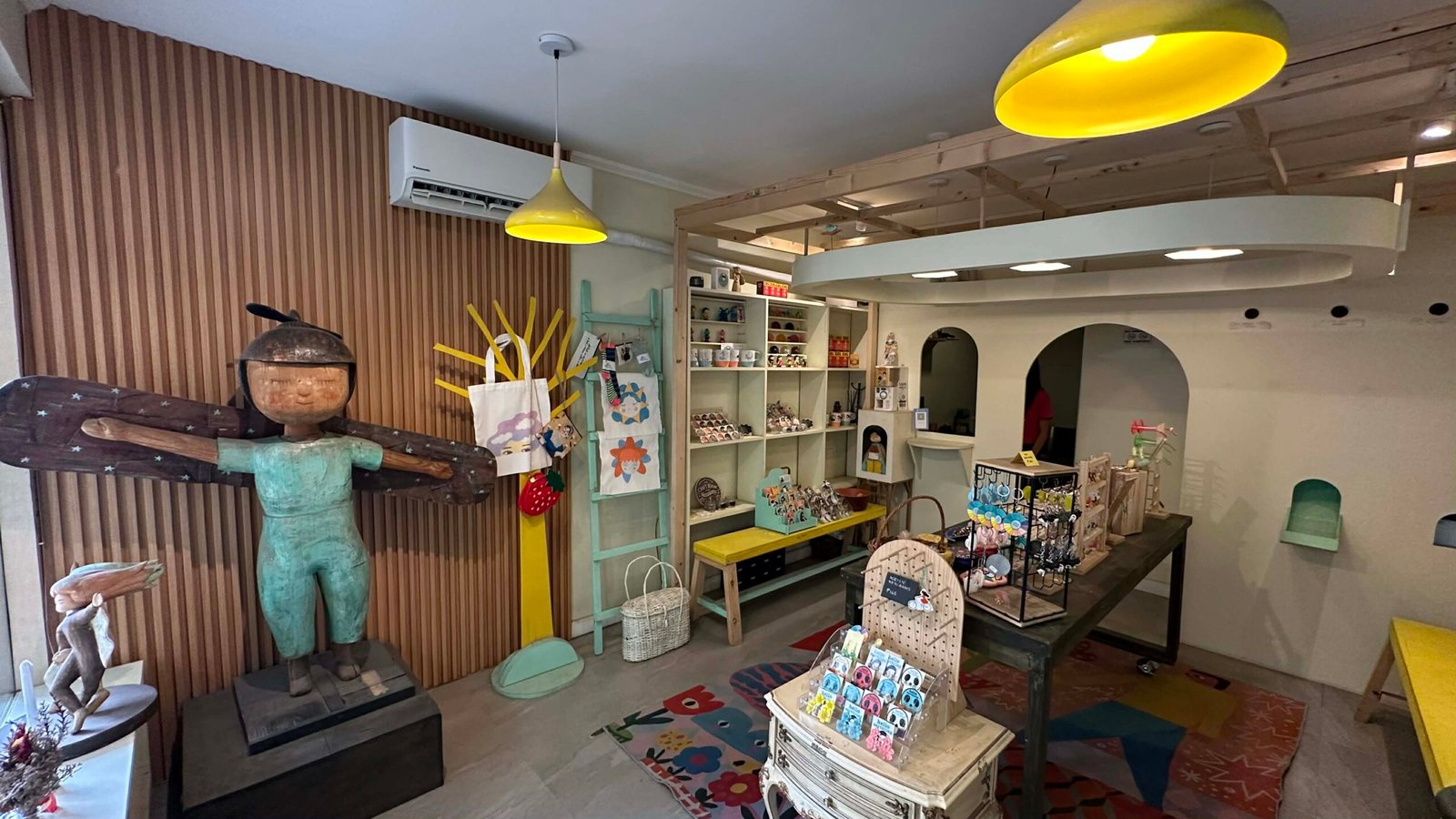
On Gorordo Avenue, Nest Home and Fabrique Shop offers home goods, fashion, footwear, jewelry, and accessories. In celebration of its eighth anniversary, Nest is presenting a pop-up at Ayala Center Cebu’s Paseo Solana featuring collections by designers Philip Rodriguez, Jun Escario, Dexter Alazas, Patricia Uytengsu, and Vito Selma. Running until January 31, 2026, the showcase highlights craftsmanship and design, giving visitors a chance to see Cebu’s creative talent in one space.
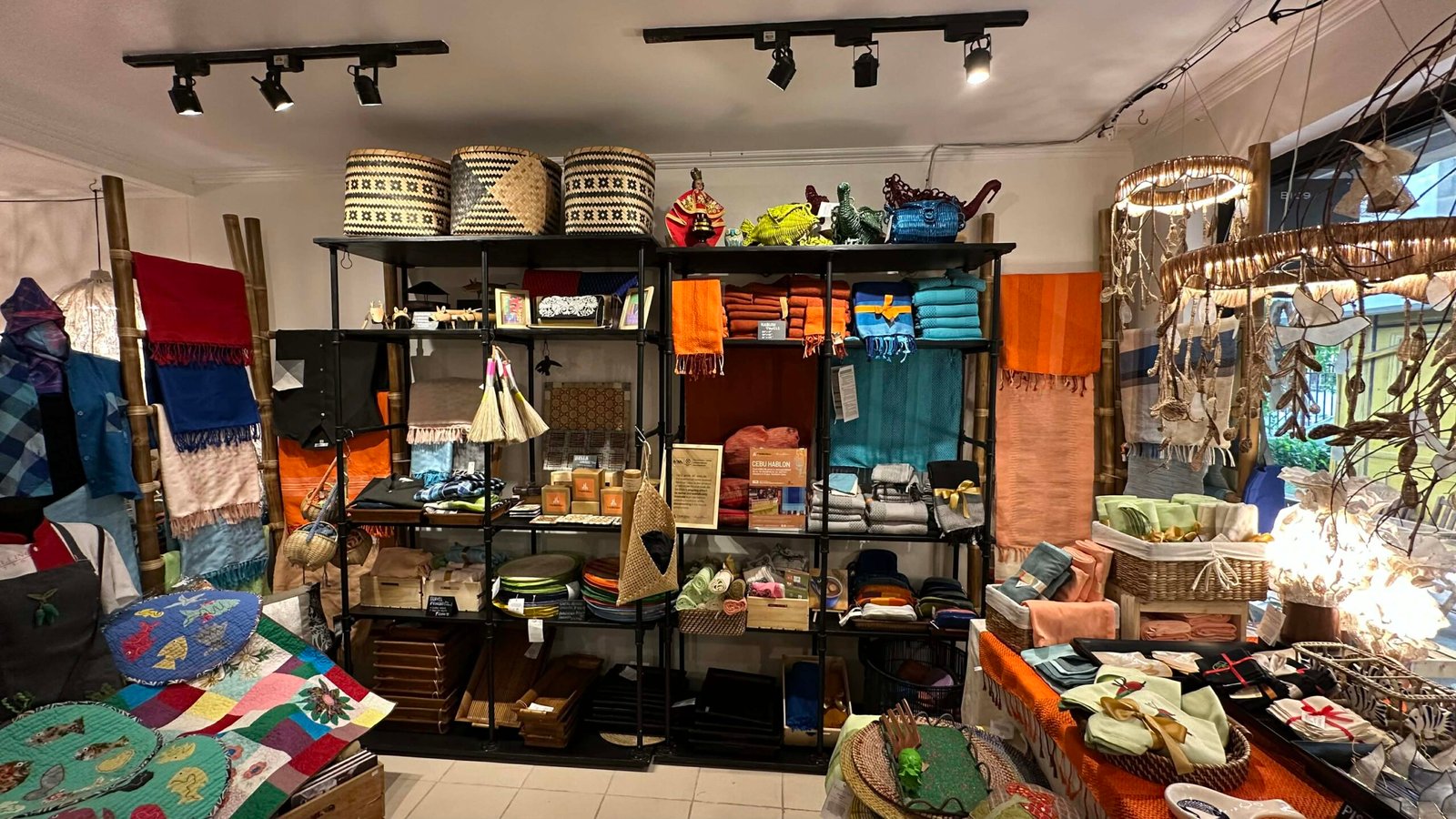
In Lahug, Anthill Fabric Gallery champions sustainable fashion and handwoven textiles, blending traditional craftsmanship with modern design. Ferimar, a Cebu-based brand with decades of experience in handcrafted bags and accessories, showcases the artistry of natural fibers and highlights local craftsmanship rooted in sustainability. For those who enjoy the thrill of secondhand finds, Cebu’s ukay-ukay shops—including vintage curations once popularized by Halo Halo Vintage—offer clothing and accessories with character and history, making thrift shopping part of the city’s everyday retail landscape.
Together, these malls, boutiques, and thrift spaces reflect Cebu’s creative spirit, where shopping connects visitors with craftsmanship, sustainability, and culture.